Creating a home workspace that is both relaxing and productive is essential for anyone working remotely or spending significant time on tasks at home. The right environment not only improves focus and efficiency but also helps reduce stress and fatigue. Whether you have a dedicated room or just a corner in your living space, these tips will guide you in setting up a workspace that nurtures both calm and concentration.
Why Your Home Workspace Matters
Even if you’re working from your living room or kitchen table, your environment impacts how well you work. A cluttered or uncomfortable space can distract you and sap your energy. Conversely, a well-designed workspace encourages mindfulness and maintains your motivation throughout the day.
Choosing the Right Location
Prioritise Natural Light
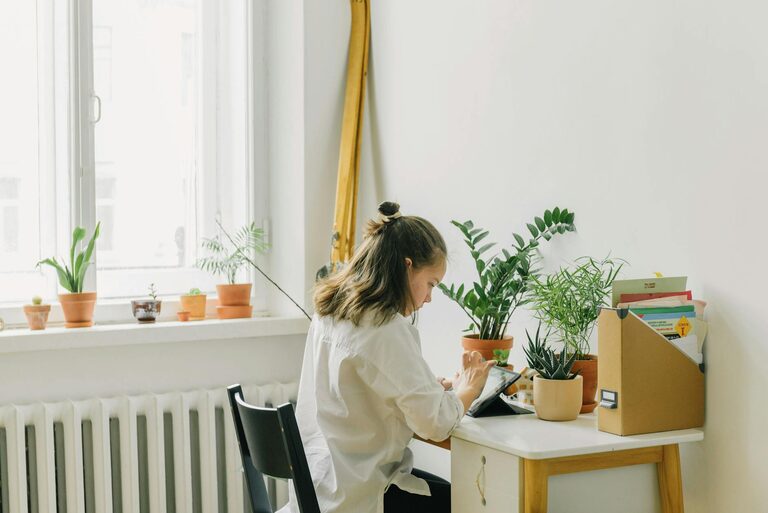
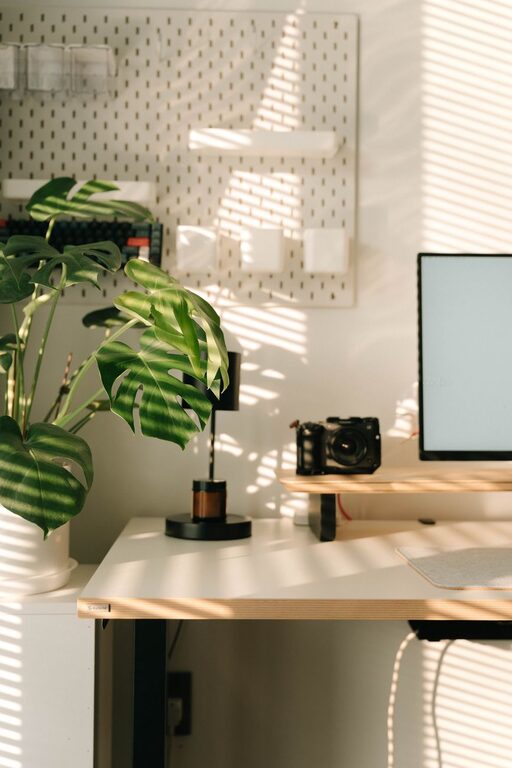
If possible, position your desk near a window. Natural light improves mood and can reduce eye strain. Avoid direct glare on your screen by using curtains or blinds to control sunlight.
Minimise Noise and Distractions
Select a quieter spot away from household traffic, noisy appliances, or busy streets. If complete silence is impossible, consider noise-cancelling headphones or background sounds like white noise or soft music.
Consider Privacy
Even in shared homes, try to create a designated area that signals work time. This helps family members or housemates respect your boundaries and lets you mentally switch into work mode.
Invest in Ergonomics
Choose a Supportive Chair
Your chair should support good posture with adjustable height, lumbar support, and comfortable cushioning. Sitting correctly reduces back and neck pain, enabling longer focus periods.
Use an Appropriate Desk
Find a desk at a height that allows your elbows to rest at about 90 degrees when typing. Your screen should be at eye level to prevent neck strain.
Include Accessories
Consider an external keyboard, mouse, or monitor if you use a laptop. These can dramatically improve comfort and productivity.
Keep Your Workspace Organised
Declutter Regularly
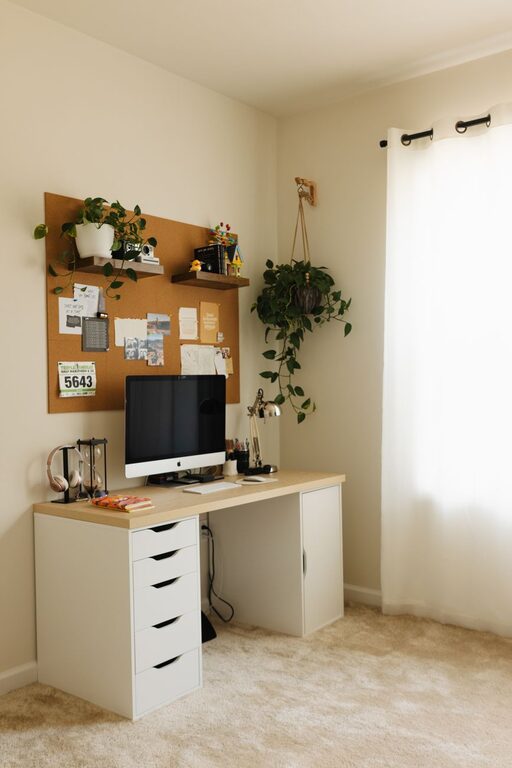
An organised desk helps maintain focus. Keep only essential items on your work surface and store other materials in drawers or shelves.
Use Storage Solutions
Folders, trays, and boxes can keep papers and office supplies tidy. Label containers to find things quickly and avoid distraction.
Employ Cable Management
Use clips or ties to prevent cables from tangling. A neat setup improves safety and visual appeal.
Incorporate Calming Elements
Add Plants
Houseplants not only improve air quality but also add colour and life to your workspace. They have been shown to reduce stress and boost mood.
Choose Soothing Colours
Soft, neutral colours like pale blue, green, or beige create a calming atmosphere. Avoid overly bright or aggressive hues that might cause restlessness.
Use Personal Touches
A favourite photo, artwork, or decorative item can make your workspace feel welcoming and motivate you.
Optimise Lighting
Use Layered Lighting
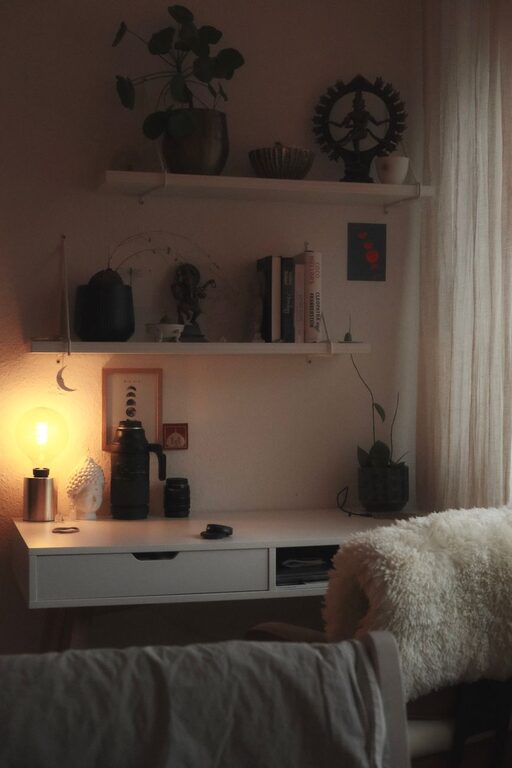
Combine natural light with overhead and task lighting. A desk lamp with adjustable brightness lets you direct light where you need it.
Avoid Harsh Fluorescents
Warm white bulbs are easier on the eyes than harsh fluorescent lights, especially during long working hours.
Develop a Routine
Define Work Hours
Set clear start and finish times to balance productivity and rest. This helps prevent burnout and maintains a healthy work-life balance.
Take Breaks
Short, regular breaks encourage movement and relaxation. Use techniques such as the Pomodoro method—working in focused intervals followed by breaks.
Stay Hydrated and Nourished
Keep water and healthy snacks close by to maintain energy and concentration throughout the day.
Use Technology Wisely
Manage Notifications
Turn off non-essential alerts to minimise interruptions. Set specific times to check emails and messages.
Leverage Productivity Apps
Tools for task management, time tracking, and focus (like timers or blocking distracting sites) can enhance efficiency.
Backup Your Work
Regularly saving and backing up your files prevents data loss and ensures peace of mind.
Maintain Your Workspace
Taking a few minutes at the end of each day to tidy up and prepare for tomorrow can keep your environment inviting and ready for work.
—
Creating a relaxing and productive home workspace is about balancing comfort, organisation, and personal preferences. By choosing the right location, investing in ergonomics, managing distractions, and incorporating calming elements, you can foster an environment that supports your success and well-being. Tailor these tips to your space and routine, and enjoy the benefits of a thoughtfully designed home office.