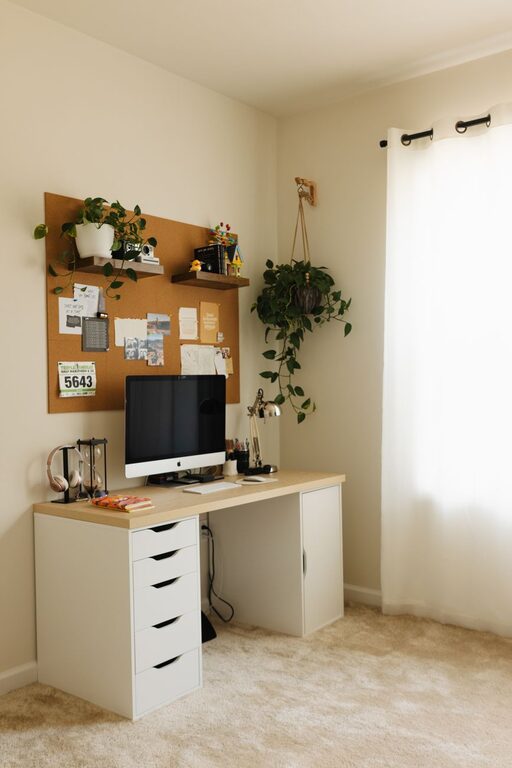
Creating a home workspace that is both relaxing and productive can make a significant difference to your workday. Whether you’re working full-time from home or just need a designated spot for occasional tasks, designing an environment that supports focus and calm will help you perform at your best. In this post, we’ll explore practical tips for setting up a workspace that encourages concentration, reduces stress, and promotes general wellbeing.
Choose the Right Location
Finding the perfect spot for your workspace is the first step. Ideally, it should be a quiet area with minimal distractions. Consider these points:
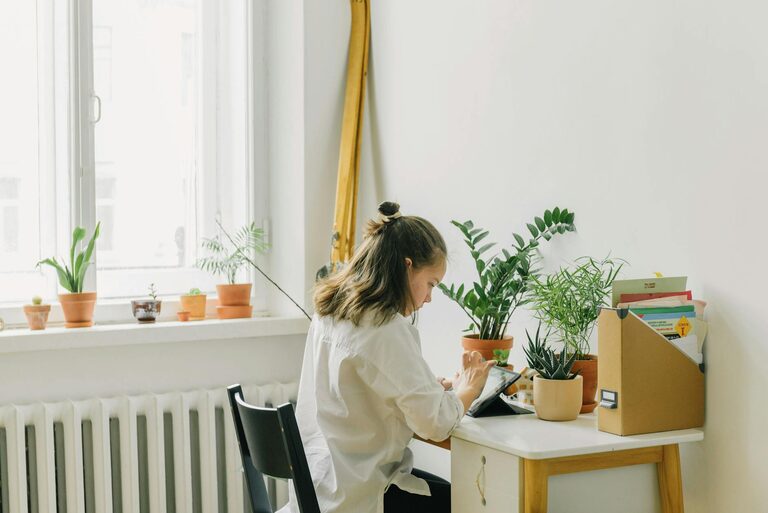
– Natural Light: Choose a space near a window for natural daylight, which helps improve mood and reduces eye strain.
– Away from Noise: Avoid high-traffic areas in your home to maintain concentration.
– Space for Movement: Ensure there is enough room not just for your desk and chair but also for you to move comfortably.
If space is limited, a well-organised corner can still work effectively with the right layout.
Invest in Comfortable Furniture
Comfort is crucial for productivity and health. The right furniture supports good posture and reduces fatigue:
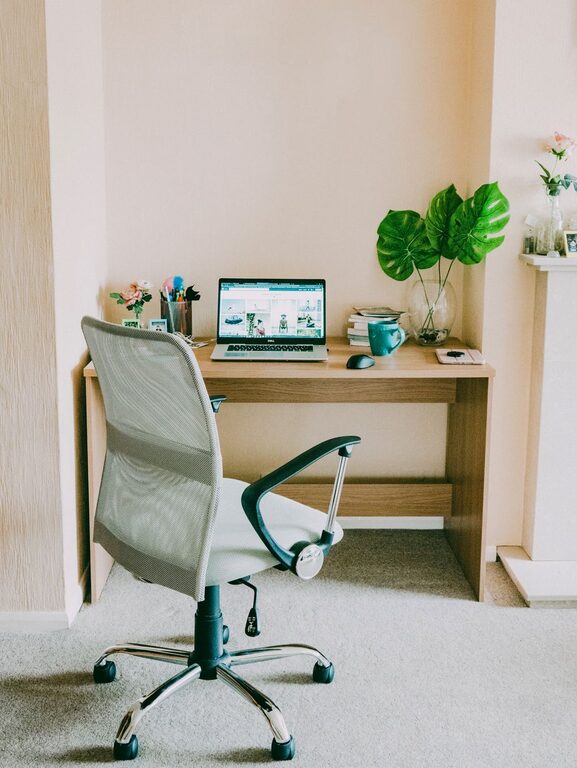
– Ergonomic Chair: Choose a chair with adjustable height, lumbar support, and comfortable cushioning.
– Desk Height: Your desk should allow your forearms to rest comfortably parallel to the floor when typing.
– Consider a Standing Desk: Alternating between sitting and standing can help reduce stiffness and improve alertness.
Remember to adjust your chair and desk to suit your height rather than forcing your body to adapt to the furniture.
Organise Your Workspace for Clarity
A cluttered desk can lead to a cluttered mind. Keep your workspace organised to help maintain focus:
– Minimal Surface Items: Keep only essentials like your computer, notepad, and stationery.
– Storage Solutions: Use shelves, drawers, or boxes to store documents, gadgets, and other materials.
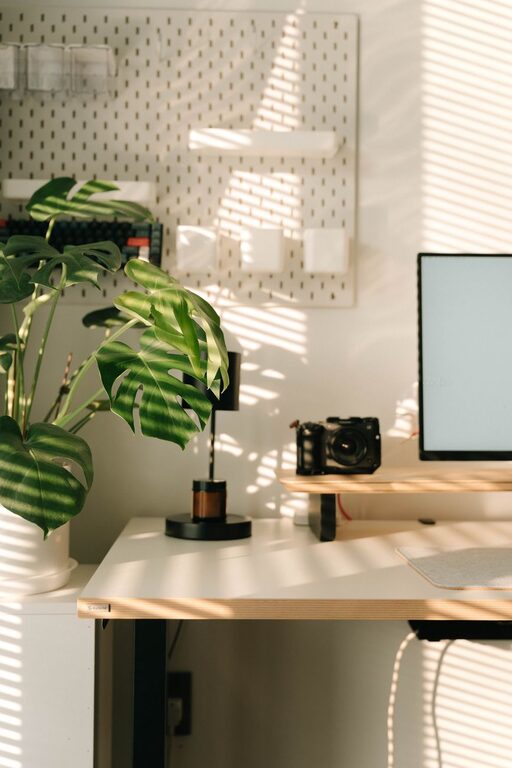
– Cable Management: Use clips or cable organisers to avoid tangled wires, creating a neater environment.
Regularly decluttering and tidying your space creates a calm atmosphere conducive to work.
Personalise Mindfully
Adding personal touches can make your workspace welcoming without being distracting:
– Plants: Small houseplants can improve air quality and create a calmer mood.
– Pictures or Inspiring Quotes: Select items that motivate you and make you feel happy.
– Soft Textiles: A cushion or blanket can add warmth and comfort.
Be selective with decoration to avoid overcrowding the area, which can be counterproductive.
Control Lighting and Temperature
Proper lighting and temperature contribute greatly to comfort and productivity:
– Task Lighting: Use adjustable lamps to provide focused light where needed, especially in the evenings.
– Adjustable Window Coverings: Blinds or curtains help control sunlight glare.
– Maintain Comfortable Temperature: Use fans, heaters, or air conditioning as needed to keep the room at a comfortable temperature.
Working in an environment that’s too hot, cold, or dim can affect concentration and energy levels.
Minimise Distractions
Reducing interruptions helps you stay in the zone:
– Turn Off Unnecessary Notifications: Silence non-urgent alerts on your phone and computer.
– Communicate Boundaries: If you live with others, let them know your working hours and the importance of minimal interruptions.
– Noise Control: Use noise-cancelling headphones or soft background music if it helps focus.
Setting up these boundaries can protect your workflow and reduce stress.
Take Regular Breaks
Even in a relaxing environment, it’s important to rest and recharge:
– Follow the 50/10 Rule: Work for 50 minutes, then take a 10-minute break.
– Stretch and Move: Use breaks to walk around or stretch to prevent stiffness.
– Change Your View: Step outside or look out of the window to rest your eyes.
Breaks help maintain productivity and reduce mental fatigue throughout the day.
Utilise Technology Effectively
Use technology to support rather than complicate your workflow:
– Efficient Tools: Choose software that helps organise tasks and schedules.
– Good Internet Connection: Ensure reliable connectivity to avoid frustration and delays.
– Ergonomic Accessories: Consider external keyboards, mice, or monitors to reduce strain.
Stay mindful not to let technology become a source of distraction.
Maintain a Healthy Routine
Your environment supports your work, but your habits matter too:
– Regular Hours: Try to start and finish work at consistent times.
– Proper Hydration and Nutrition: Keep a water bottle nearby and have healthy snacks on hand.
– Separate Work and Relaxation: End your workday by tidying your space to signal the transition in your mind.
Combining a well-designed workspace with good routines boosts both productivity and wellbeing.
—
Creating an effective home workspace doesn’t mean you need a large room or expensive furniture. Small, thoughtful changes can make your environment more comfortable and conducive to productive work. By considering location, comfort, organisation, lighting, and habits, you can design a space that helps you feel calm and focused—making every workday a little easier and more enjoyable.