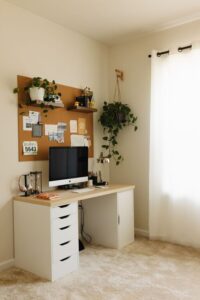
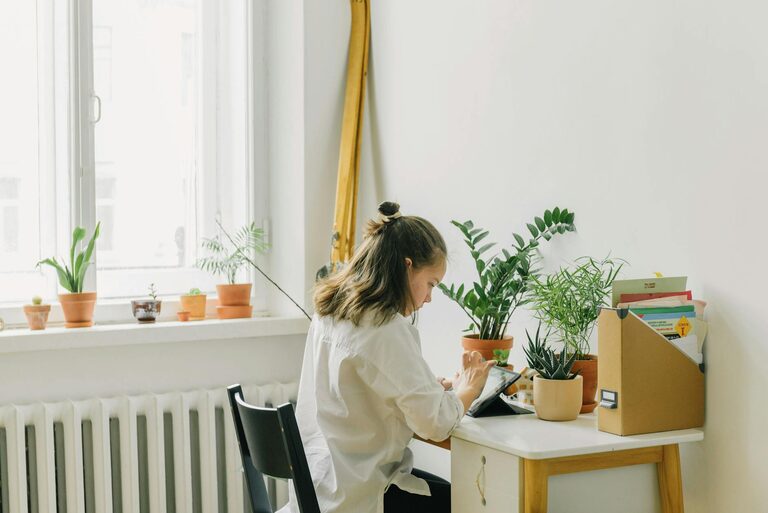
Creating a productive home office environment is essential for anyone working remotely or running a business from home. A well-designed workspace can increase your efficiency, reduce stress, and create a clear boundary between work and personal life. Whether you have a dedicated room or a small corner, these tips will help you build a functional and comfortable home office.
Choose the Right Location
The first step is picking a suitable spot for your home office. Ideally, try to find a quiet area with minimal distractions. If possible, select a room or section of your home that’s separate from where you relax or spend time with family. Natural light is a huge benefit — position your desk near a window to help improve mood and reduce eye strain.
Consider Noise Levels
Depending on your work, you may require different levels of quiet. For example, if you need to focus on writing or data analysis, quieter spaces are better. Alternatively, if your work is phone or video-based, think about the background noise and what your neighbours might hear.
Invest in Comfortable and Ergonomic Furniture
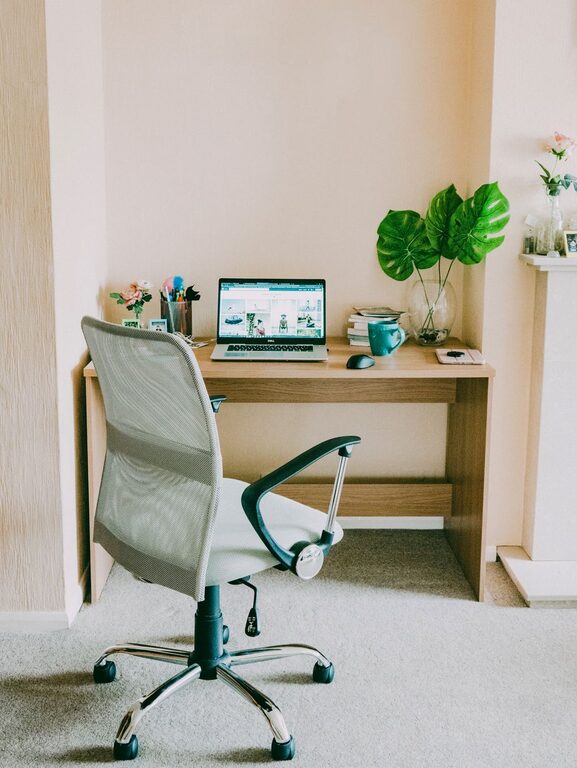
One of the most important factors for productivity and health is ergonomics. Choose a chair and desk that support good posture. Your chair should have adjustable height, lumbar support, and comfortable padding. Your desk should be at a height where your arms rest roughly parallel to the floor when typing.
Key Ergonomic Tips:
– Keep your feet flat on the floor or on a footrest.
– Use an external keyboard and mouse if you work on a laptop.
– Position your computer screen at eye level to avoid neck strain.
Keep Your Workspace Organised
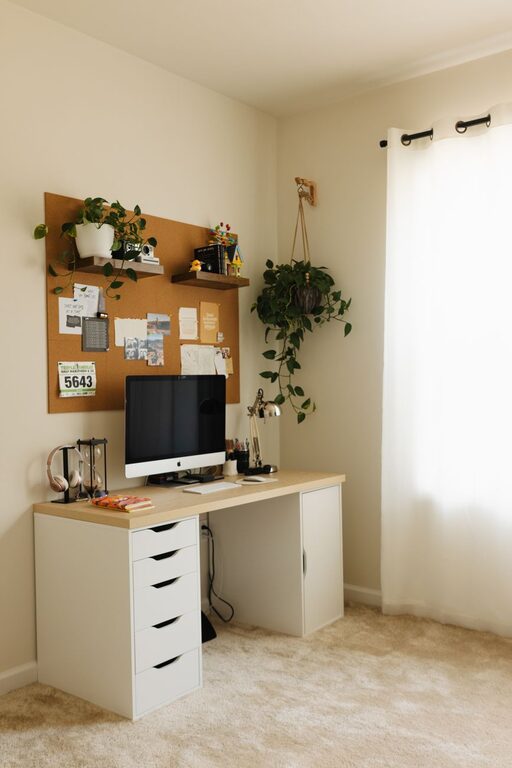
A cluttered desk can cause distractions and stress. Invest in storage solutions such as shelves, filing cabinets, or drawers to keep essentials within reach but out of sight. Use organisers for cables, stationery, and documents to maintain a neat appearance.
Daily Routine for Organisation:
– At the end of each workday, tidy your desk.
– Sort through papers and dispose of anything unnecessary.
– Plan your tasks for the next day to stay on schedule.
Optimise Lighting
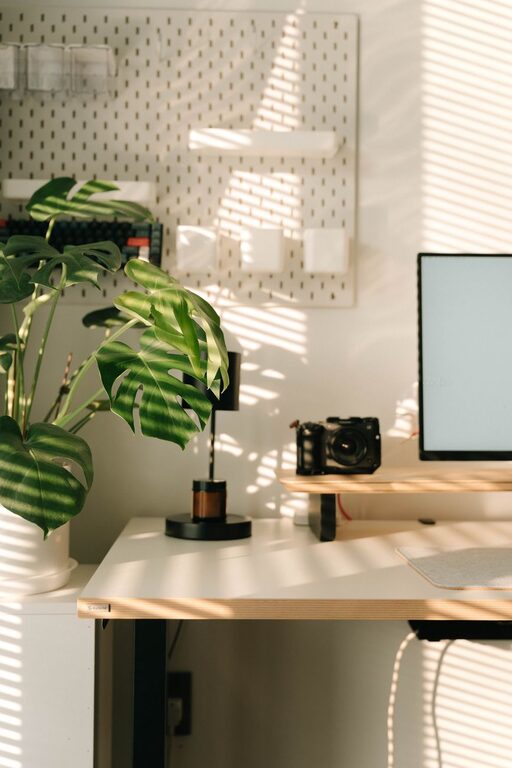
Good lighting matters a lot in a home office. Poor or harsh lighting can strain your eyes and cause headaches. Use a balance of natural and artificial light.
– Place your desk near a window for daylight.
– Use adjustable LED desk lamps with warm white bulbs.
– Avoid screen glare by adjusting window blinds or positioning screens perpendicular to windows.
Minimise Distractions
Working from home can come with distractions like family members, pets, or household chores. Setting clear boundaries and communication is essential to create a focused work environment.
Strategies to Minimise Distractions:
– Set specific work hours and communicate them to family or housemates.
– Use noise-cancelling headphones if ambient sounds disturb you.
– Keep your phone silent or in another room during focused work periods.
Personalise Your Workspace
Adding personal touches can make your home office more inviting and motivating. Include items that inspire you such as photos, plants, or artwork. Plants not only brighten the room but can also improve air quality and reduce stress.
Incorporate Technology Wisely
Ensure your technology setup supports your workflow smoothly. This includes a reliable internet connection, a fast computer, and any necessary devices such as printers or scanners.
Technology Tips:
– Keep your software and hardware updated.
– Use wireless chargers and cable organisers to reduce clutter.
– Backup important files regularly to avoid loss of data.
Take Regular Breaks and Move Around
Even with a perfect setup, sitting for long periods can negatively affect your productivity and health. Follow the 20-20-20 rule: every 20 minutes, look away from your screen for 20 seconds at something 20 feet away. Also, get up and stretch or take short walks throughout the day.
Conclusion
Designing a productive home office environment is a combination of selecting the right location, investing in ergonomic furniture, organising effectively, and managing distractions. By applying these tips, you can create a workspace that supports your well-being and helps you perform at your best every day.
Remember, a home office isn’t just about work—it’s about creating a space where you feel comfortable, motivated, and ready to tackle your tasks efficiently. Happy working!