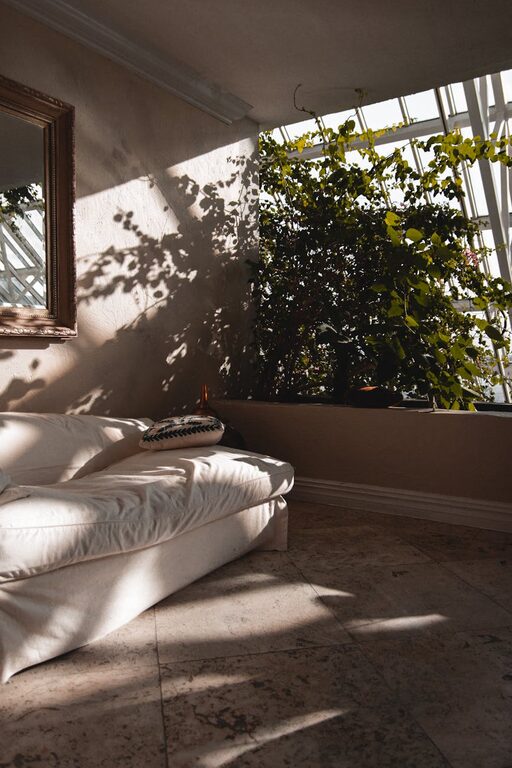
Creating a relaxing home environment plays a vital role in promoting overall wellbeing. Our homes should be a place where we can unwind, recharge, and find peace after busy days. Fortunately, achieving a calm and comforting atmosphere doesn’t have to be complicated or expensive. In this post, we explore simple ways you can enhance your living space to support relaxation and mental clarity.
Why a Relaxing Home Environment Matters
A home that feels peaceful and soothing can help reduce stress, improve sleep, and boost mood. When your surroundings invite calmness, you are more likely to feel balanced and able to cope with daily challenges. On the other hand, clutter, noise, and poor lighting can contribute to tension and unease.
Making small adjustments to your home environment can lead to significant improvements in your mental and emotional health. Let’s look at practical ideas that anyone can try.
Declutter and Organise
Clear Space, Clear Mind
One of the simplest steps to create calm is to declutter your living space. Piles of papers, clothes, or other items can be distracting and overwhelming. Spend some time sorting through belongings and donating or recycling anything you no longer need.
Keep surfaces tidy
Maintain clear surfaces like kitchen counters or bedside tables. A neat environment encourages a more relaxed state of mind.
Storage Solutions
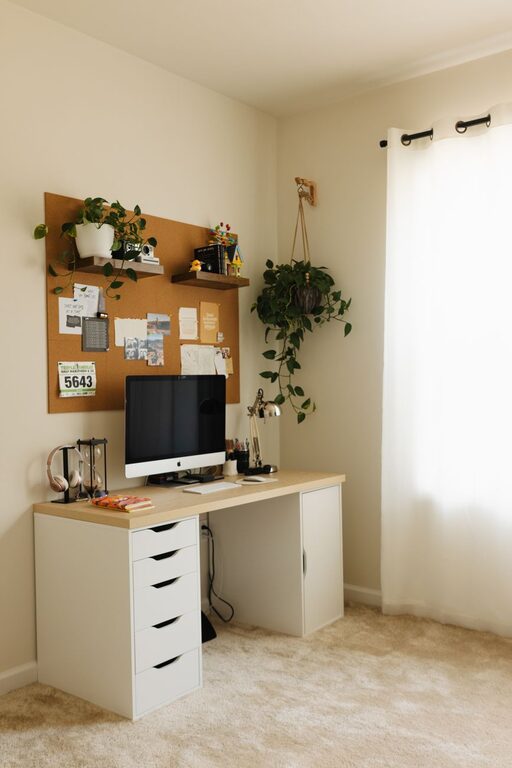
Invest in storage boxes, shelves, or organisers to keep items out of sight but easily accessible. Having a designated place for everything reduces the feeling of chaos.
Use Soothing Colours and Soft Textures
Choose Calm Colours
Soft, neutral hues such as pale blues, greens, creams or greys tend to promote relaxation and peace. Avoid overly bright or harsh colours in areas where you want to unwind.
Add Comfortable Textiles
Throw cushions, blankets, and rugs can add warmth and softness to a room, making it feel welcoming. Natural fabrics like cotton or wool are especially comforting.
Embrace Natural Light and Fresh Air
Let in the Daylight
Natural light improves mood and energy levels. Open curtains or blinds during the day to brighten your space.
Ventilate Regularly
Air your rooms daily to keep the air fresh and reduce stuffiness. This simple act helps you feel more alert and comfortable.
Incorporate Calming Scents
Use Essential Oils or Candles
Aromatherapy can enhance relaxation. Scents like lavender, chamomile, or eucalyptus are known for their calming effects. Use an essential oil diffuser or light a scented candle during your downtime.
Keep It Natural
Avoid overpowering fragrances or synthetic smells that might cause irritation.
Create a Quiet Corner
Designate a Relaxation Space
Set aside a small area in your home just for unwinding. This could be a cosy chair, a window seat, or a meditation cushion.
Make It Inviting
Include soft lighting, a favourite book, or calming music—a space where you can escape for a few moments to breathe deeply or reflect.
Incorporate Nature Indoors
Houseplants for Wellbeing
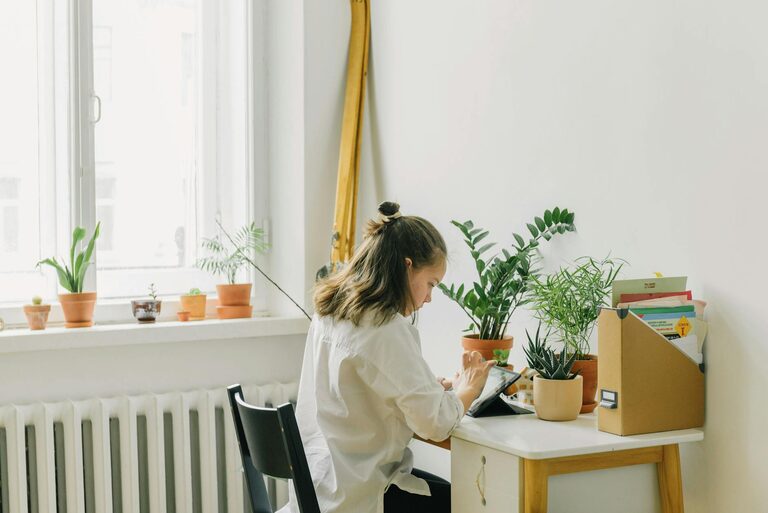
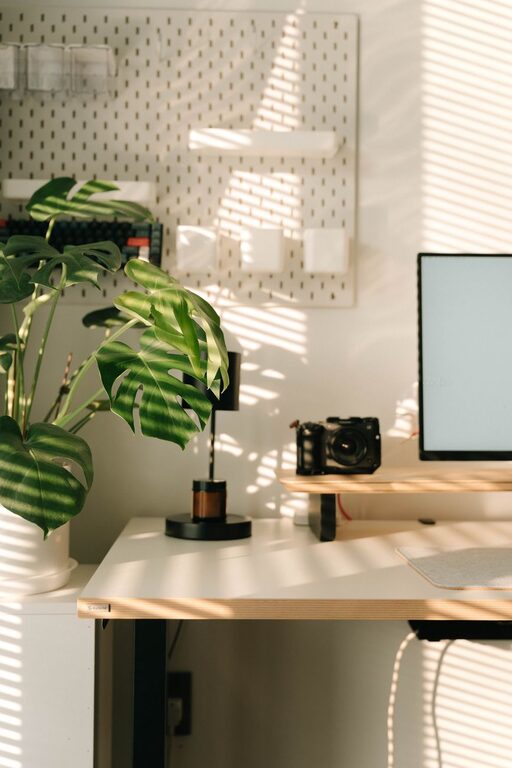
Adding greenery to your home can reduce stress and improve air quality. Low-maintenance plants like spider plants, snake plants, or peace lilies are great options.
Use Natural Materials
Where possible, choose wooden furniture or accessories that bring an organic feel to your space.
Limit Noise Distractions
Minimise Background Noise
Keep TVs, radios, and other electronics turned off when you want to relax. Use noise-cancelling headphones if you live in a busy area.
Play Calming Sounds
Gentle background music, nature sounds, or white noise can help mask disruptive noises and create a peaceful ambiance.
Maintain a Consistent Routine
Regular Cleaning
A clean space feels more inviting and less stressful. Try to clean a little each day instead of letting chores build up.
Unplug From Technology
Set specific times to disconnect from devices. This helps reduce mental clutter and gives your mind a break.
Final Thoughts
Transforming your home into a relaxing sanctuary is achievable through simple, intentional changes. By organising your space, using calming colours and scents, inviting nature indoors, and creating a designated quiet area, you can foster an environment that supports your wellbeing.
Remember, your home should be a reflection of what makes you feel peaceful and comfortable. Experiment with these ideas and find what works best for you. Over time, small adjustments will make your living space a true haven for relaxation and rejuvenation.