Setting up a home office that encourages productivity can be a game-changer, especially as more people work remotely or blend home and office life. A well-designed workspace can enhance focus, reduce distractions, and even improve your wellbeing during the workday. Here are some useful tips to help you create a home office space tailored to your needs.
Choose the Right Location
The first step in creating a productive home office is selecting the best spot in your home. Ideally, this should be a quiet area with minimal foot traffic, where you can work without constant interruptions.
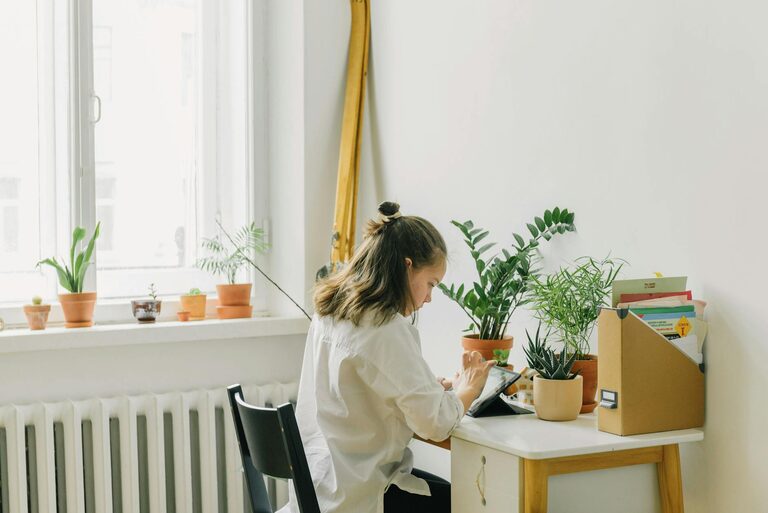
– Consider natural light: Daylight helps reduce eye strain and boosts mood. Set up your desk near a window if possible.
– Evaluate space and comfort: Ensure the area has enough room for your desk, chair, and any equipment you need.
– Limit distractions: Try to avoid spaces near the television, kitchen, or high-traffic zones.
Invest in Comfortable and Functional Furniture
Your furniture plays a crucial role in your productivity and physical health.
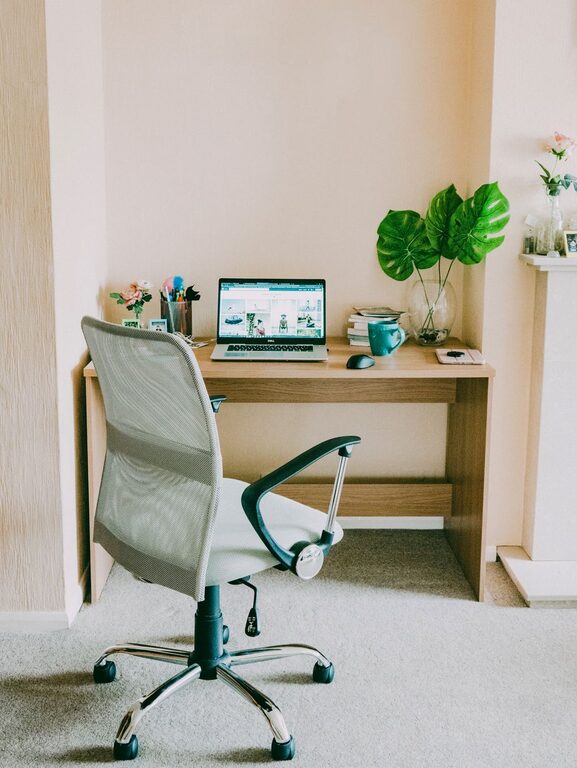
– Ergonomic chair: Choose a chair that supports your lower back and promotes good posture.
– Appropriate desk: Your desk should be the right height and large enough for your computer, keyboard, and workspace essentials.
– Adjustable options: Consider standing desks or chairs with adjustable heights to switch positions during the day.
Organise Your Space Effectively
An organised workspace can help clear your mind and save time searching for important items.
– Declutter regularly: Keep only what you need on your desk.
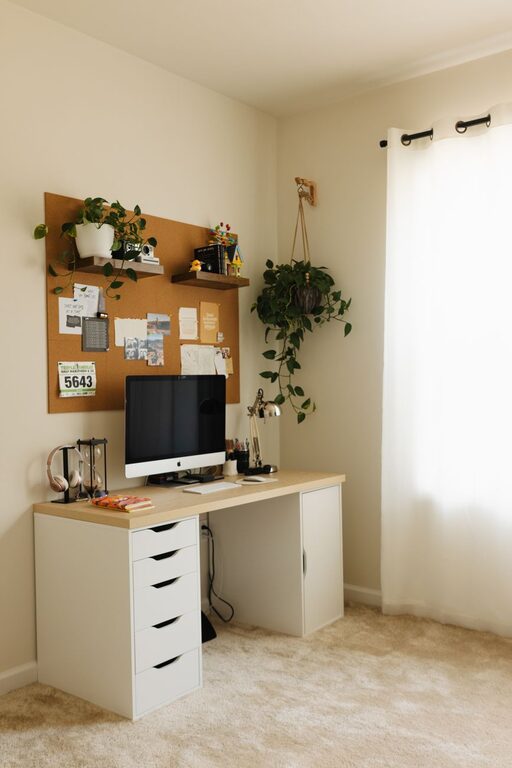
– Storage solutions: Use shelves, drawers, and organisers to store documents and supplies neatly.
– Cable management: Tidy cables with clips or ties to prevent tangles and distractions.
Use Technology Wisely
The right technology setup supports smoother work and communication.
– Reliable internet connection: Ensure your home has a strong and stable internet connection.
– Essential devices: Invest in a good-quality computer, printer, and other tools specific to your work.
– Software and apps: Utilise productivity apps, calendar tools, and communication platforms to stay organised and connected.
Create a Routine and Boundaries
Having a dedicated space allows you to set a clear start and end to your workday, which helps maintain work-life balance.
– Set working hours: Try to keep consistent times for beginning and ending work.
– Breaks and movement: Schedule regular breaks to rest your eyes, stretch and move around.
– Limit distractions: Inform household members of your working hours and minimise interruptions by turning off non-work notifications.
Personalise Your Workspace
Adding personal touches can make your home office feel welcoming and motivate you.
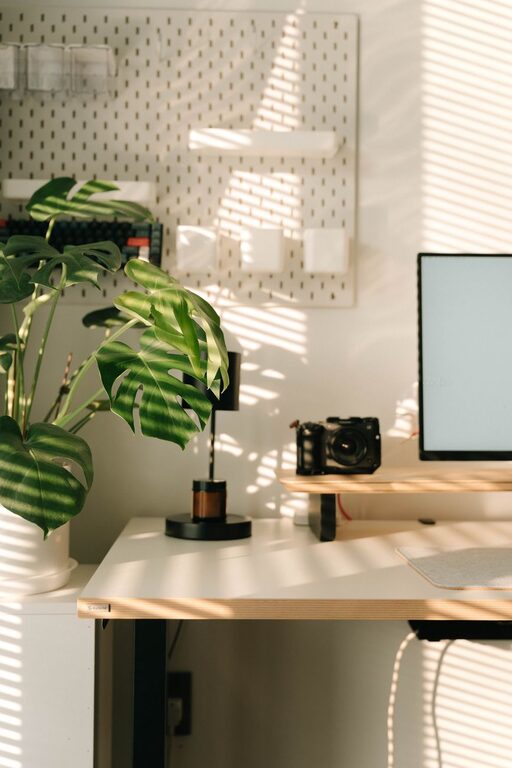
– Plants: Indoor plants improve air quality and create a pleasant atmosphere.
– Decor: Use artwork, photographs, or motivational quotes that inspire you.
– Lighting: Besides natural light, use desk lamps with warm, soft light to avoid eye strain.
Manage Noise Levels
Noise can be one of the biggest distractions when working from home.
– Noise-cancelling headphones: These can help you concentrate, especially if your home is busy.
– Background music: For some, soft background music or ambient sounds improve focus.
– Soundproofing: If possible, add rugs, curtains, or cushions to reduce echo and noise.
Maintain Good Air Quality and Temperature
Comfortable air quality and temperature are often overlooked but essential for concentration.
– Ventilation: Open windows regularly or use an air purifier.
– Temperature control: Use fans or heaters to maintain a comfortable temperature.
Regularly Review and Adjust Your Setup
Work habits and needs can change, so periodically reassess your home office.
– Evaluate what works: Notice if your current arrangement supports your productivity or causes discomfort.
– Make small changes: Adjust lighting, furniture, or organisation to better suit your evolving workflow.
—
Creating a productive home office is all about tailoring the space to your routines and preferences. By choosing the right location, investing in comfortable furniture, organising effectively, and maintaining a good work-life balance, you set yourself up for a successful and satisfying working experience at home. With these tips in mind, you can transform any space into a hub of productivity and wellbeing.